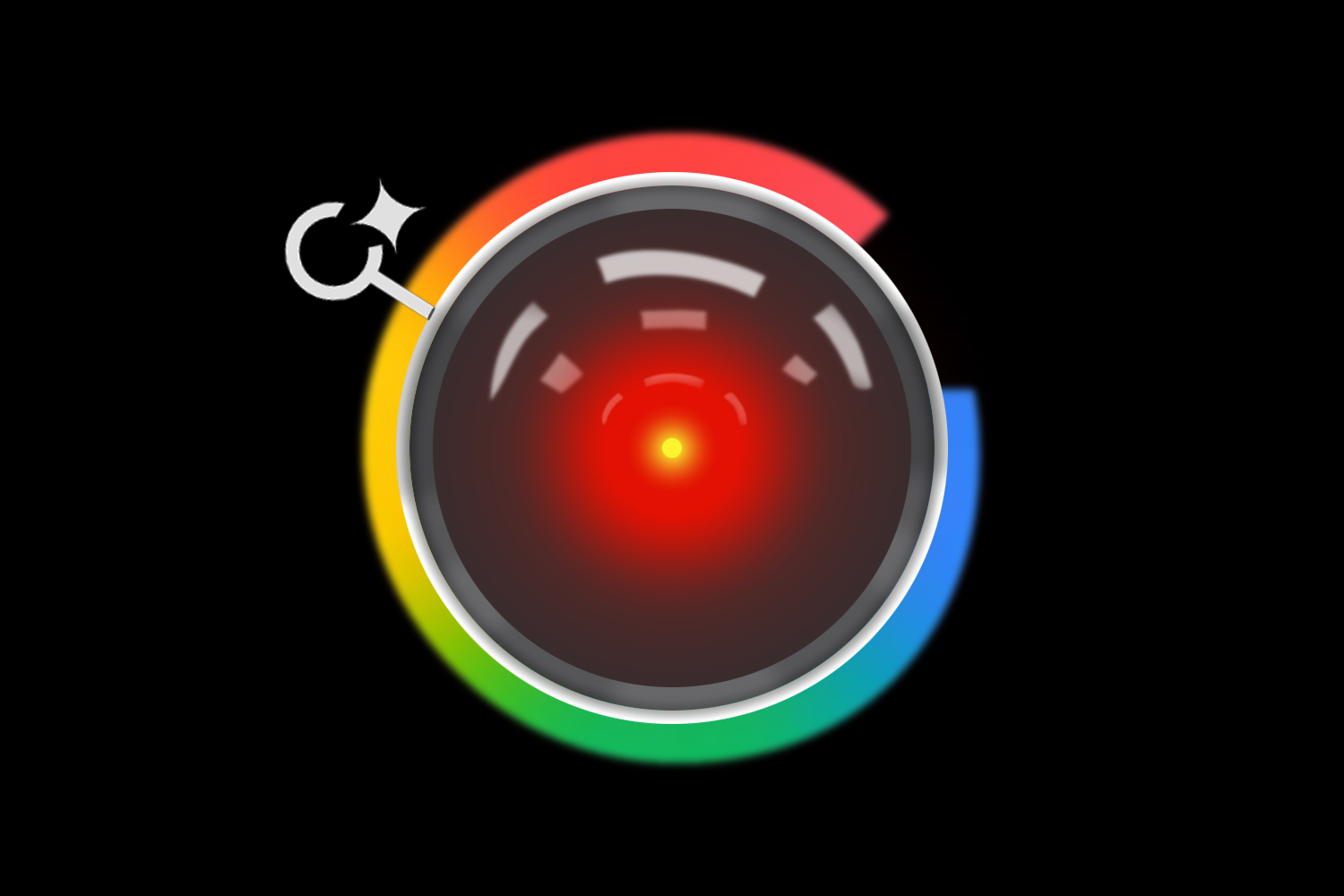
Google’s “AI Mode” finally arrived in the UK this week, and I hate it. Open Google in a browser and the “AI Mode” button shimmers, begging to be clicked. Every results page now has AI Mode lurking as the first tab—before Videos, before Images, even before “All.” Exactly how Google wants it.
One day Google will flip a switch. Every query will default to AI Mode. Other tabs will be secondary, then disappear entirely. You might ask: so what? Isn’t it easier to get instant answers than scroll through pages of links? Isn’t that progress? Not entirely.
I’m not saying AI search is useless. But its perceived value is far out of step with what it actually delivers. Too often we get the illusion of knowledge rather than real understanding. Chatbots train people to skip the hard work—the digging and the thinking—and to trust whatever’s served up without verifying whether it’s accurate.
Frequently, it isn’t accurate. Not long ago, Google’s AI recommended adding glue to pizza to stop the cheese sliding off; it couldn’t tell the difference between a Reddit joke and real culinary advice. You might laugh, but people have been harmed after following chatbot “hallucinations.” Confident-sounding answers combined with the baked-in trust people place in search engines is a dangerous mix.
I increasingly see people copying and pasting chatbot answers into forums as if they were gospel. But systems vying to be the internet’s overlord—from ChatGPT to Google’s AI Mode—don’t truly understand context. They remix existing content into plausible responses to prompts. They also feed confirmation bias, offering users flattering or agreeable answers to keep them happy—more so than any list of links would.
Source unknown
It feels like we’re barreling toward a future where generations will abandon—or never learn—critical thinking for research. They’ll accept a slick-sounding summary of what they might have been looking for rather than put in the manual effort, simply because it’s a shortcut.
Who cares if it’s wrong? It’s probably close enough. And if it isn’t, searching for information takes time. Besides, it’s the future. How long before you can’t properly search online at all? Sources are already sinking beneath the surface. We’re one step away from them vanishing entirely, leaving everyone with no idea how any AI-generated result sausage was made. And that, again, is exactly how Google wants it. The search engine that was once a window onto the web is threatening to become a screen displaying the output of a black box—and it won’t encourage you to think about other black boxes or explore the open web. Google AI Mode will become “All,” probably sooner than we think.
And this is just step one. Next, tech bros want agentic AI tendrils slithering through your entire online life. Today it’s handing over search queries to chatbots. Soon you’ll be encouraged to offload everything from calendars to purchases.
I think that sounds positively dystopian. Maybe I’m just deep in the third stage of Douglas Adams’s rules of technology: anything that exists when you’re born is normal; anything invented before you turn 35 is new and exciting; and anything that appears after that is “against the natural order of things.” Reader, I’m well past 35.
But considering Google AI recently suggested humans eat rocks, I’m not entrusting it with my search results, let alone anything more. If you need me, I’ll be in a corner, prodding DuckDuckGo and Kagi and hoping they don’t get their own shimmering AI buttons.
Now read: I just proved I’m an adult online – and I’m torn about what that really means.
About the Author